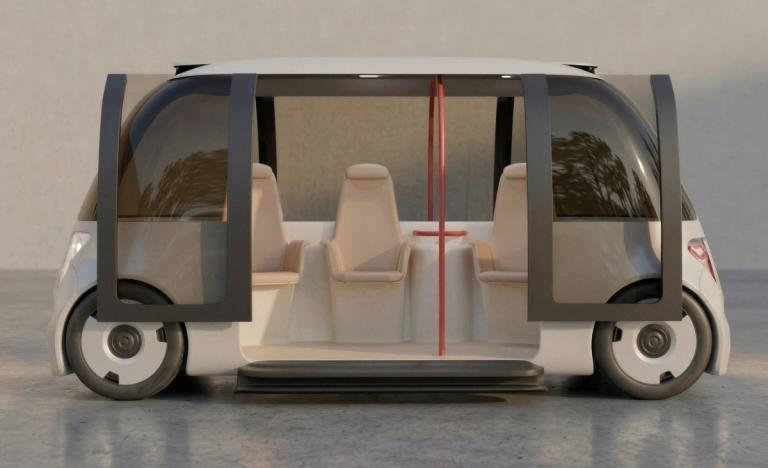
This is what the future of self-driving public transport could look like
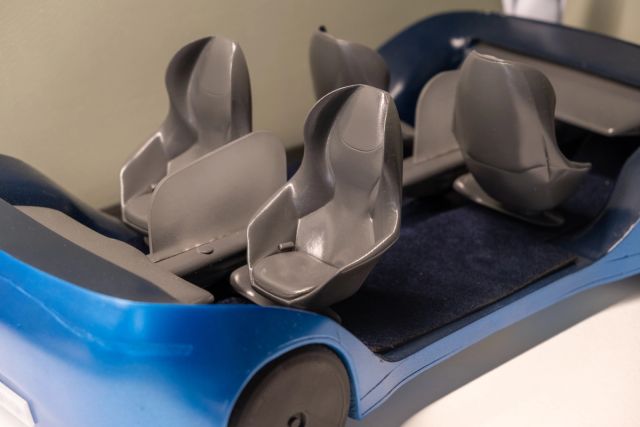

What happens when you give seven master's students free rein to design the self-driving cars of the future?
The result is seven different ways of thinking about who public transport of the future should actually serve, ranging from vehicles adapted for people on the autism spectrum to solutions for families with children and older people.
Vehicles of the future
Self-driving technology is moving ever closer to Oslo, and our pilot projects in Groruddalen are well underway. The goal is to make everyday travel in the future easier, more flexible, and more sustainable.
This spring, we collaborated with students at the Oslo School of Architecture and Design (AHO). The project was based on our ongoing work on autonomous driving, and early in the process, the students had the opportunity to test a pilot project involving self-driving cars in Groruddalen.
Instead of designing a single standard car intended to suit everyone, the seven student groups at AHO have focused on specific societal needs.
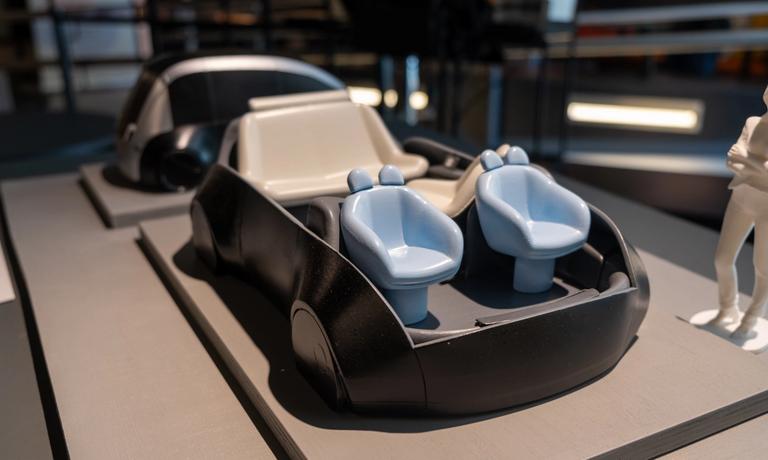
Seven concepts for seven different needs
Vidde is designed for older travelers, and the vehicle is ergonomically adapted to their needs. There is significant potential to increase this group's participation in society through greater mobility.
Nemo embraces neurodiversity. The concept reduces cognitive and sensory strain, potentially benefiting all travelers.
Kove is designed for young people, with an emphasis on social spaces and community. According to the concept, self-driving vehicles can give young people greater independence and a stronger sense of belonging.
Heim is aimed at families living outside the city center—in other words, the group that may currently have the greatest need for a private car.
Mylo is about feeling safe. Small interior design choices, such as the angle of the seats and dividers between passengers, can have a major impact on how travelers feel about riding in a driverless autonomous vehicle.
Split combines personal comfort with shared social spaces, exploring how these two needs can coexist in the same vehicle.
Everything is designed for flexible use throughout the day: the vehicle can easily switch between carrying luggage and passengers, depending on the need.
We’ll carry this inspiration forward
We envision self-driving cars as a natural part of tomorrow’s public transport system. The aim of the project is not to put them directly into production, but when we issue tenders and order new buses and cars in the future, we will incorporate several of the ideas from the students’ projects.
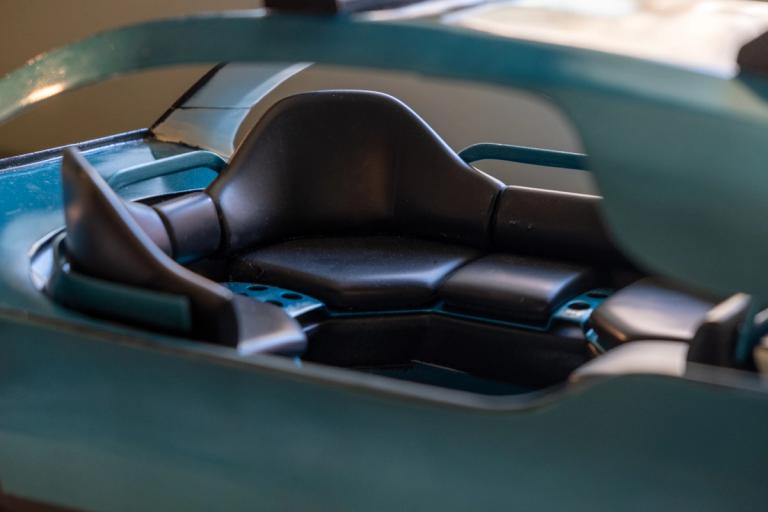
The solutions presented by the students are very inspiring. We will take these insights with us as we explore what a suitable vehicle for Ruter and our residents should look like.